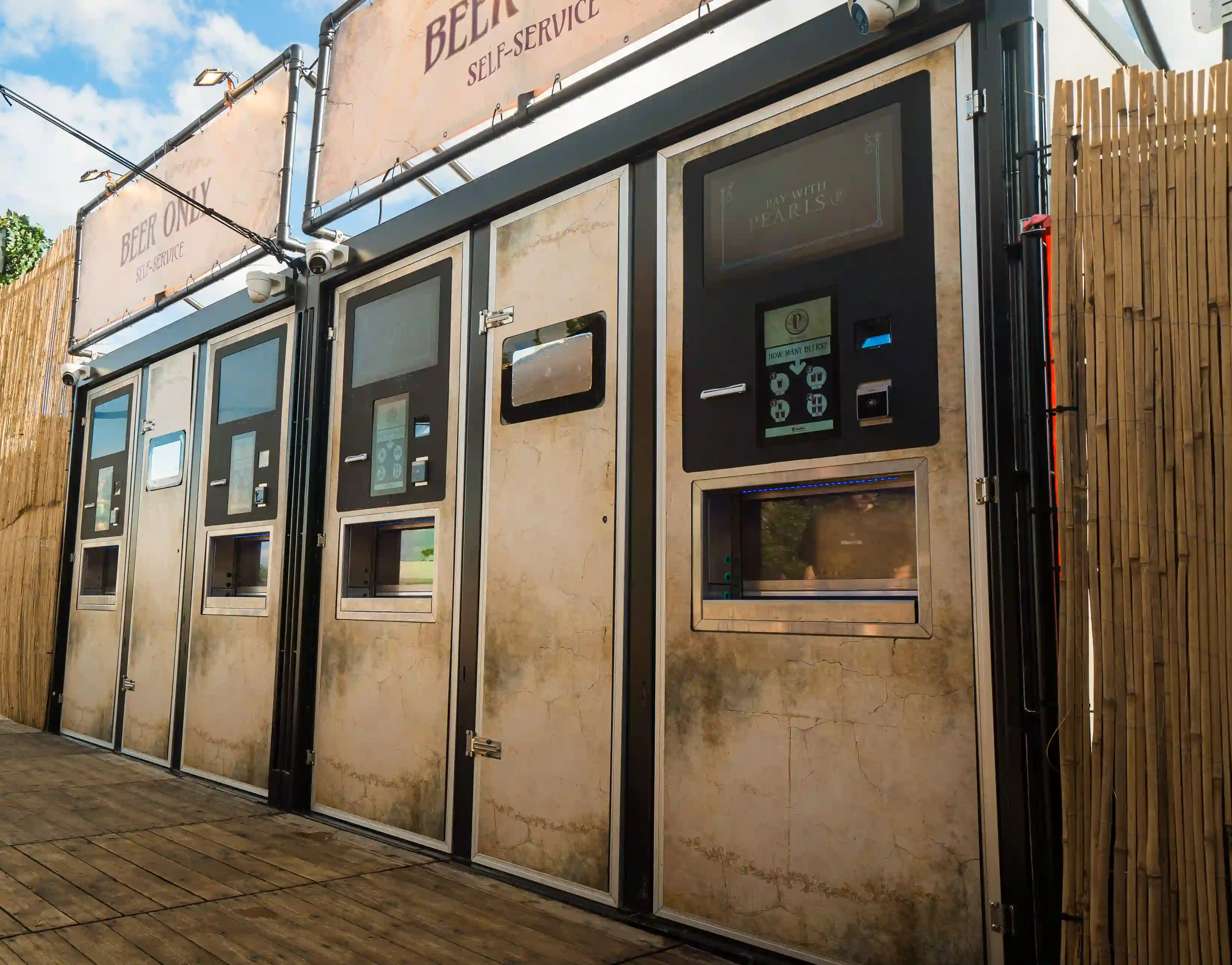

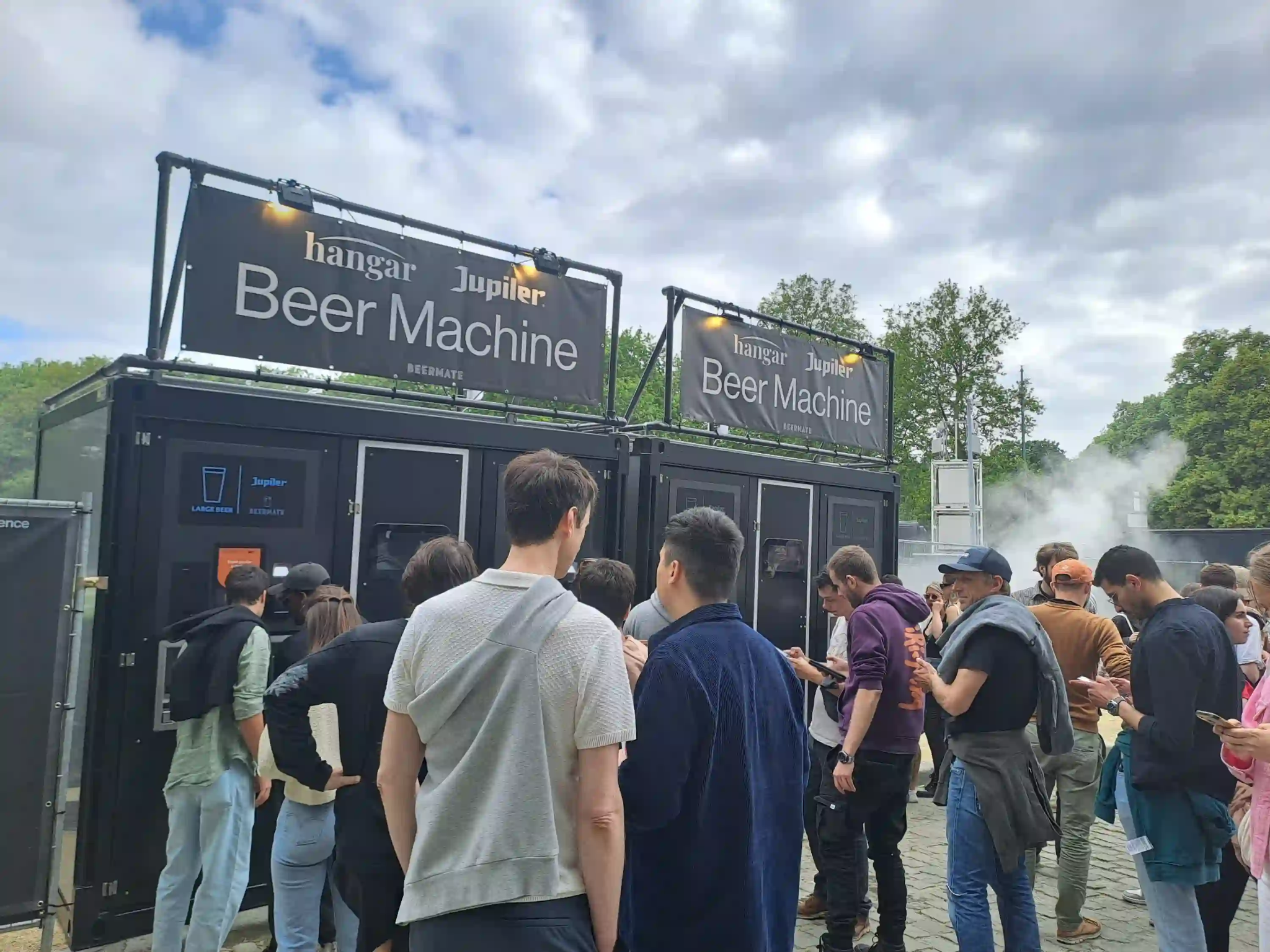
BeerMate develops automated beer dispensing solutions for stadiums, arenas, festivals and other high-volume hospitality environments.
By automating the beer serving process, the company helps venues serve customers faster and more consistently while reducing pressure on staff during peak periods.
But operating connected machines in live event environments comes with a particularly demanding requirement: reliability.
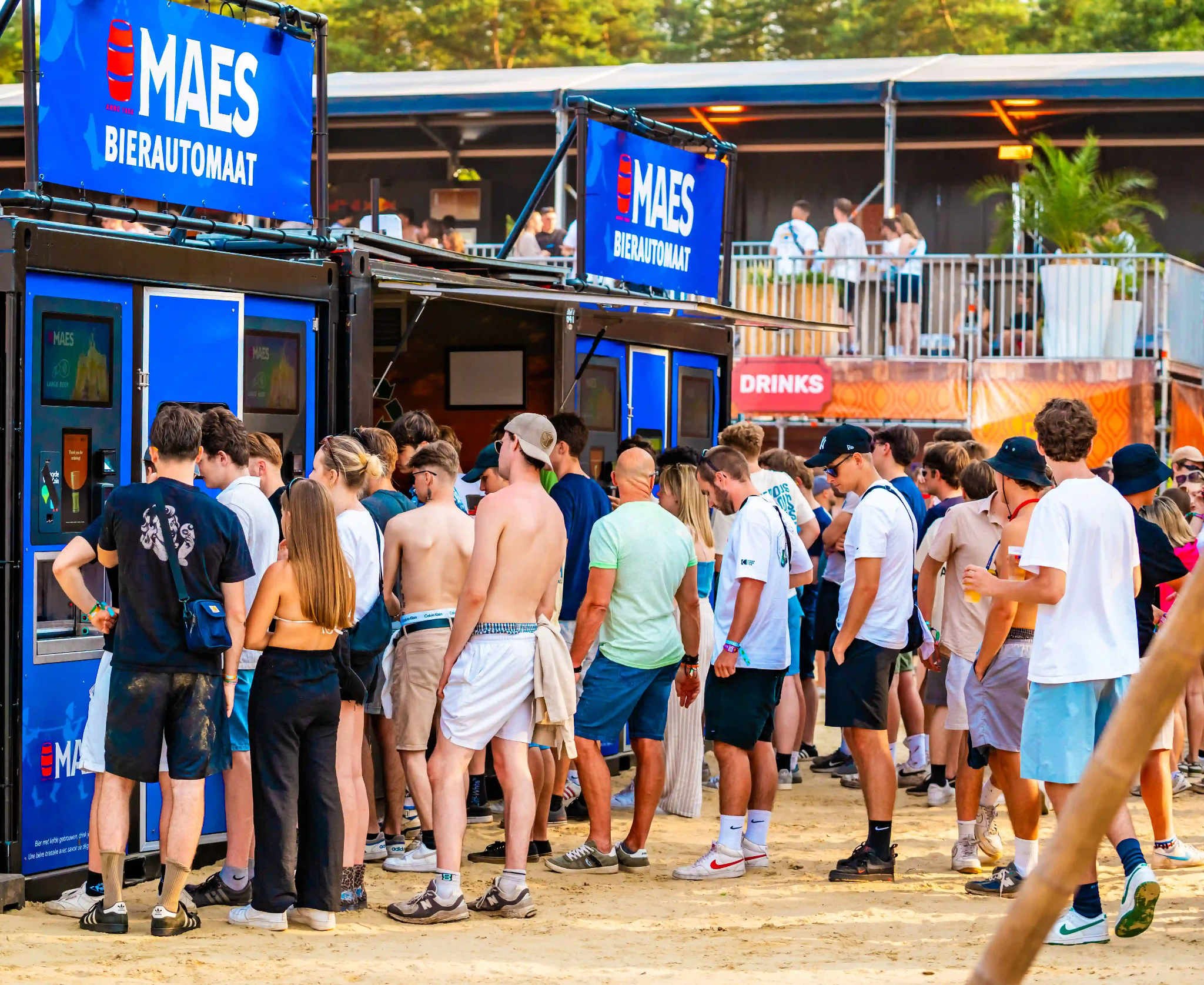
A BeerMate machine may spend much of its life waiting for the next event, but when thousands of visitors arrive and demand suddenly peaks, every machine needs to perform. There is little room for downtime, and technical problems often need to be identified and resolved immediately.
As BeerMate expanded its installed base across more customer locations, managing the technology behind those machines became an increasingly important part of scaling the business.
Building the machine itself was only one part of the challenge.
As more BeerMate systems were deployed in the field, the company needed a better way to maintain visibility and control across machines operating at different customer locations.
This included monitoring the status of machines, managing software and system updates, troubleshooting issues and supporting customers remotely.
Without the right infrastructure, many of these tasks can eventually become dependent on manual processes or physical intervention.
That is particularly challenging in BeerMate's environment. Machines can be distributed across different venues and countries, while technical issues may occur precisely when an event is underway and the equipment is needed most.
As the fleet grew, BeerMate needed an operational model that could scale with it.
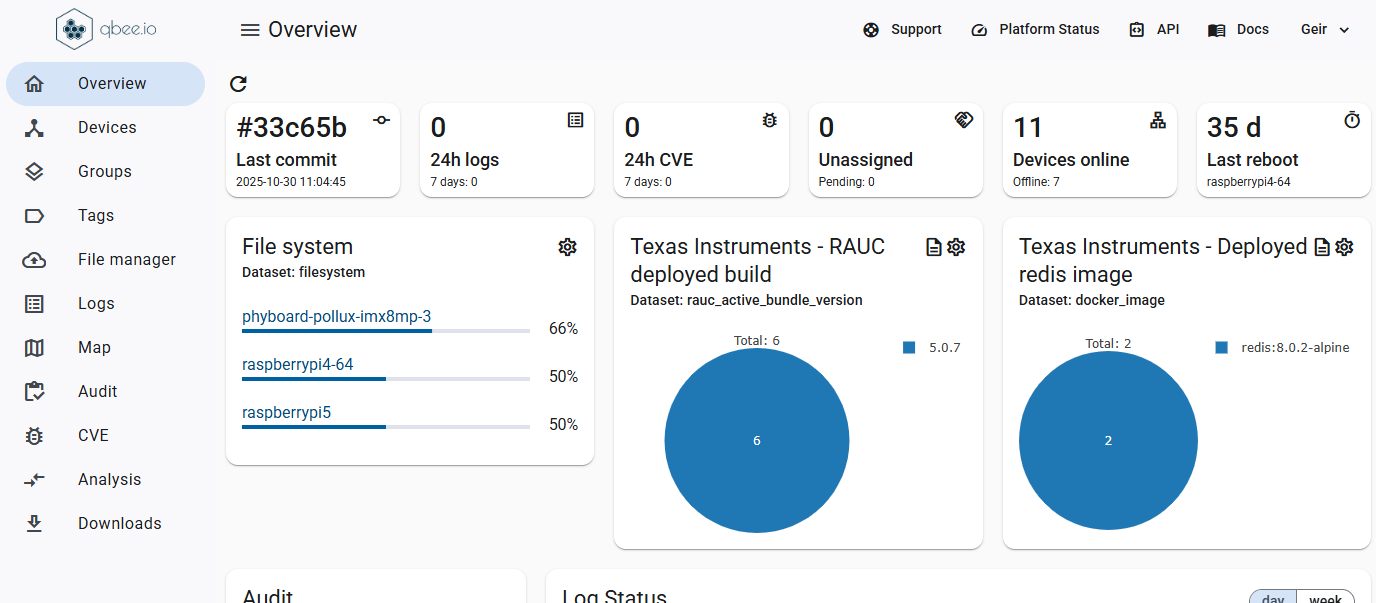
BeerMate uses Qbee as a central platform for managing and monitoring the Linux-based PCs inside its connected machines.
From one platform, the team can maintain visibility into machines deployed in the field, remotely access systems when troubleshooting is required, and manage software and system updates across the fleet.
This gives BeerMate's technical team the ability to investigate many issues without immediately requiring someone to travel to the machine.
During live events, that capability becomes particularly valuable.
When a machine experiences an issue, being able to remotely inspect the system and start troubleshooting can significantly reduce the time between identifying a problem and getting the machine operational again.
Instead of treating every deployed machine as an isolated system, BeerMate can manage its growing installed base as a connected fleet.
The operational challenge does not begin when a BeerMate machine reaches the customer.
Every machine also contains a PC that needs to be correctly configured before deployment. As production volumes increase, manually preparing individual systems becomes increasingly time-consuming and introduces opportunities for inconsistencies.
BeerMate therefore also uses Qbee during the initial setup and configuration process.
This makes preparing new PCs faster and more repeatable, while helping ensure that machines are configured in a consistent way before they leave production.
The same infrastructure used to operate machines in the field can therefore support them throughout a larger part of their lifecycle. From initial configuration to deployment, updates, troubleshooting and ongoing maintenance.
For BeerMate, the impact is less about one individual feature and more about creating a structured way to operate an increasing number of connected machines.
Centralized device management has given the company:
Most importantly, the infrastructure supporting each machine no longer needs to become proportionally more difficult to manage as BeerMate grows.
As BeerMate continues to expand, remote device management will become an increasingly important part of its operational infrastructure.
A larger international installed base means more machines, more customer locations and greater distances between BeerMate's technical team and the equipment they support.
Being able to remotely monitor, manage, update and access these systems gives the company a foundation for scaling without relying on the same growth in on-site technical intervention.
For BeerMate, connected infrastructure is therefore becoming an important part of delivering the reliability customers expect while continuing to grow the business.
With Qbee handling the underlying Linux device management layer, BeerMate can keep its focus where it belongs. Building better automated hospitality experiences, and keeping the beer flowing.